

Stress SOS
I don’t think many people would argue against the view that official statistics show that stress levels are on the increase. Whilst a lot is said about stress and its negative effects on our physical and mental well-being, often the effects of stress on the skin are overlooked.
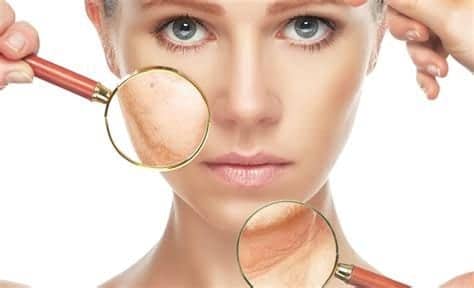
Stressed skin can be red, irritated, reactive, subject to breakouts and premature ageing
Psychological stress arises when we feel that the pressure we’re under exceeds our ability to cope with it. The Hypothalamus, a tiny control tower in the brain, triggers the release of hormones e.g. adrenaline, and cortisol and is part of our primal fight or flight response.

Modern world the issues
In the modern world, the issue is that this response and therefore levels of hormones released are disproportionate to what’s required. The second part of the problem is when these excess hormone levels do not return to normal. Instead, they flood the system with excessive stress hormones and this excess has been linked to heart problems, high blood pressure, strokes and even cancer. It may also cause weight gain, affect the balance of good bacteria in the gut, compromise the immune system and cause hair loss.
Stress has been shown to increase INFLAMMATION, which is bad news for the skin. In moderation inflammation is a good thing because it helps the body kill viruses and bacteria, but like the stress hormones, the body’s response can be disproportionate and can exacerbate inflammatory skin conditions such as psoriasis, acne and eczema.
Problem skin is very sensitive to stress. I have seen for myself when breakouts on my clients with acne are considerably worse prior to a major event like sitting exams or getting married, moving house etc.
Stress Hormone
The stress hormone cortisol stimulates sebum production and this aggravates problematic skin which is already suffering from an imbalance in sebum levels. A neuropeptide called Substance P is also released when we are stressed and can cause breakouts.
To make things worse, often emotional eating will play a part when we are stressed. The Mental Health Foundation study stated that 46% of participants ate too much or ate unhealthily due to stress. 29% reported that they started drinking or increased their drinking and 16% said they started or increased their smoking. All of this is bad news for the skin
High sugar, refined carbohydrates trigger a condition called Collagen Glycation – this means the sugar molecules bond to the proteins in the skin and form Advanced Glycation End products which cause the collagen fibres to become stiffer and less elastic leading to wrinkles.
If we increase our consumption of stimulants such as alcohol and caffeine drinks to help us stay awake because stress is giving us sleepless nights, then the sad fact is the skin will become dehydrated and dark circles might start to appear.
Cellular Level Changes within our skin
So these are some of the visible effects of stress on our skin. But there are also changes going on at a cellular level. Stress has been shown to shorten telomeres, the protective “ends” at the tip of each chromosome which protect DNA, similar to the plastic bits at the end of a shoelace. Shorter telomeres have been linked to a shorter lifespan. When telomeres are too short, the cell either dies or becomes pro-inflammatory, which accelerates the ageing process along with its associated health risks.
Stress can impede the skin’s barrier functions (i.e. our protective mechanisms within the skin to keep water in and bacteria out) and this means our skin will be slow to heal in the event of a wound. One piece of research found that high stress levels meant a wound took 24% longer to heal.
The rise of self-help apps such as Calm, YouTube relaxation videos and music, yoga, massage plus other holistic treatments and becoming more conscious of our stress levels and what triggers them are key to helping us not only understand our stress but also to manage it.
Appropriate skin care, treatments and supplementation can support our journey through stressful times. If you’d like to learn more then book your skin consultation with me at Ginger Tree.
